The Visual Language of Chance-Based Games in Digital Entertainment
The visual language of chance-based games has developed across centuries of physical objects, mechanical machines, and digital screens. Cards, dice, spinning reels,…
Read story →Music visualizers began with a simple promise: let listeners see something that responds to what they hear. Early screen-based effects translated volume,…
Read the story →
The visual language of chance-based games has developed across centuries of physical objects, mechanical machines, and digital screens. Cards, dice, spinning reels,…
Read story →
Digital art is often described through its tools: projection, animation, code, sensors, or immersive displays. Yet the more important change may be…
Read story →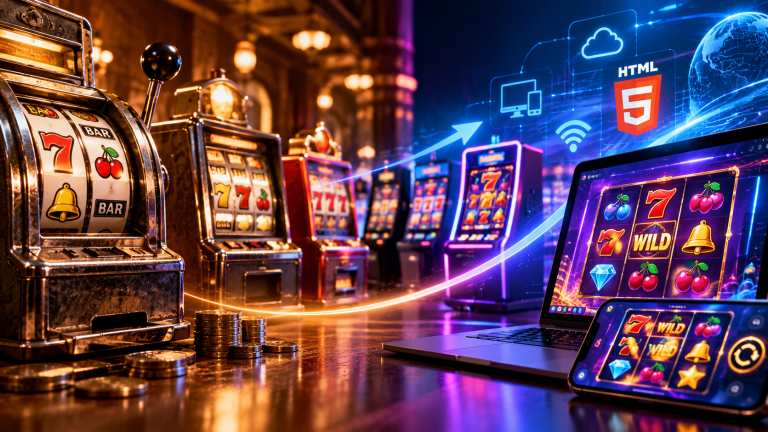
A modern slot-machine screen may be filled with animation, sound, and layered symbols, but the basic visual idea remains recognizable: a set…
Read story →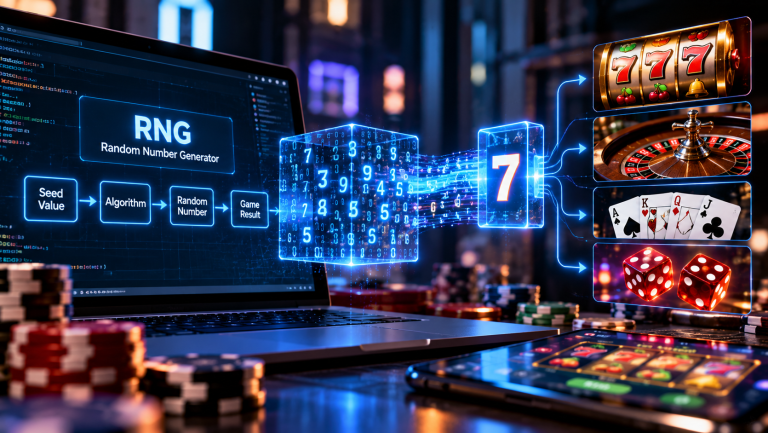
A digital game can make an outcome look unpredictable with animation, sound, and visual effects. The underlying selection process is a separate…
Read story →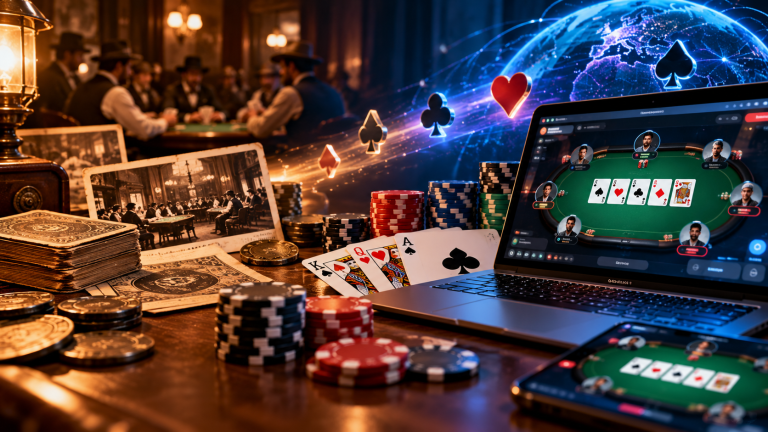
Poker has changed its setting repeatedly, from informal card tables and public rooms to televised tournaments and networked software. The game’s history…
Read story →
A browser used to be understood primarily as a place to read pages. Today it can host a music workstation, a three-dimensional…
Read story →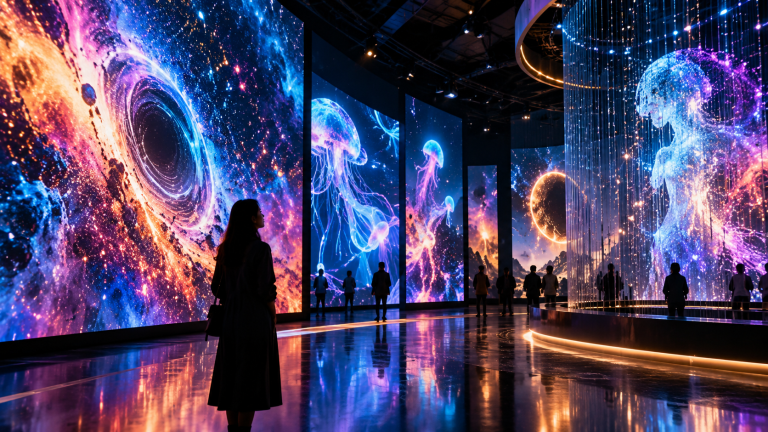
A gallery visit traditionally involves moving through rooms, looking at objects, and reading the information displayed beside them. Digital art can preserve…
Read story →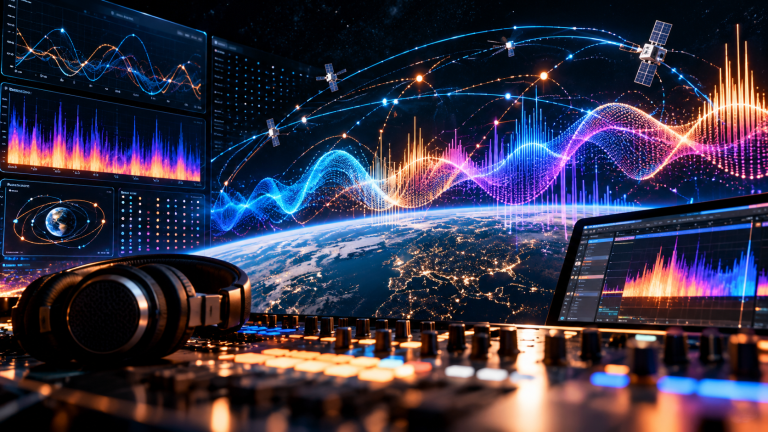
A graph uses position and shape to make numbers perceptible. Sonification works through hearing instead. It turns a selected relationship in a…
Read story →
Fallen Gravity sits at the intersection of digital art, sound, and the mythology of orbit. Public accounts connected the project with artist…
Read story →